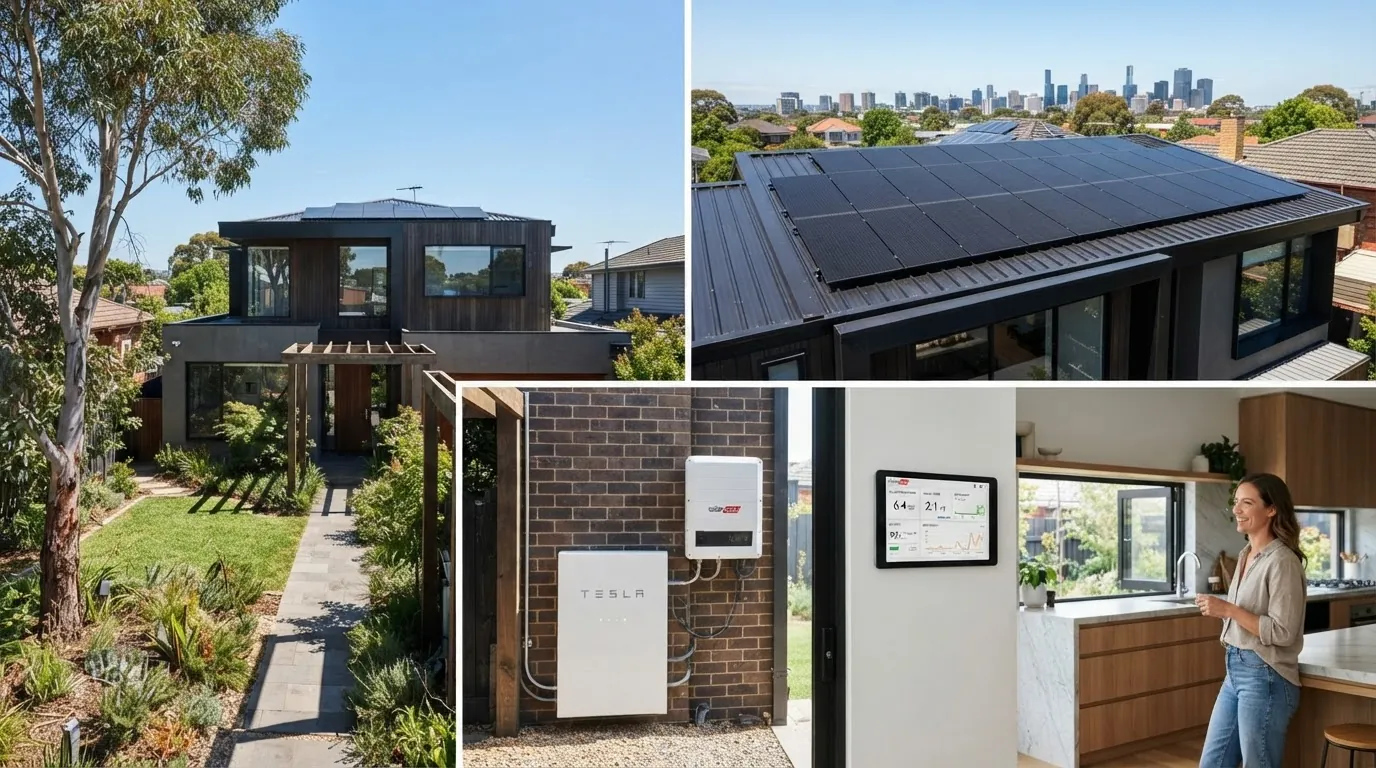
Solar panels on the roof are common now. Batteries are becoming common. What is less common is connecting them to the rest of the house so the energy is used wisely. A solar system that charges a battery that then feeds a house full of devices running at full tilt regardless of how much power is available is a missed opportunity. The automation layer is what makes the investment in solar and storage pay off.
The aim is simple. Use the solar you generate. Store what you cannot use. Draw from the grid only when you need to. And when the battery is low and the grid is expensive, dial back the things that do not matter so the things that do can keep running.
Automated Load Shedding
When battery power is running low during peak pricing hours, Control4 can adjust HVAC setpoints or pause pool pumps automatically. That preserves stored energy for the circuits that matter. The logic is programmed around your usage patterns and your tariff, not a generic schedule.
Load shedding is not about turning things off at random. It is about prioritising. The fridge keeps running. The lighting stays on. The air conditioning might ease back by a couple of degrees, or the pool pump pauses for an hour, because those are loads that can flex without anyone noticing. The essential loads do not flex. The automation knows the difference because you tell it which loads matter and which can wait.
This is coordinated with your electricity tariff. If you pay more for power between 4pm and 9pm, the system knows to avoid drawing from the grid during those hours. It uses the battery first, charges the battery from solar during the day, and only imports from the grid when the battery is depleted and the tariff is low. The logic follows your actual energy costs rather than a generic timer.
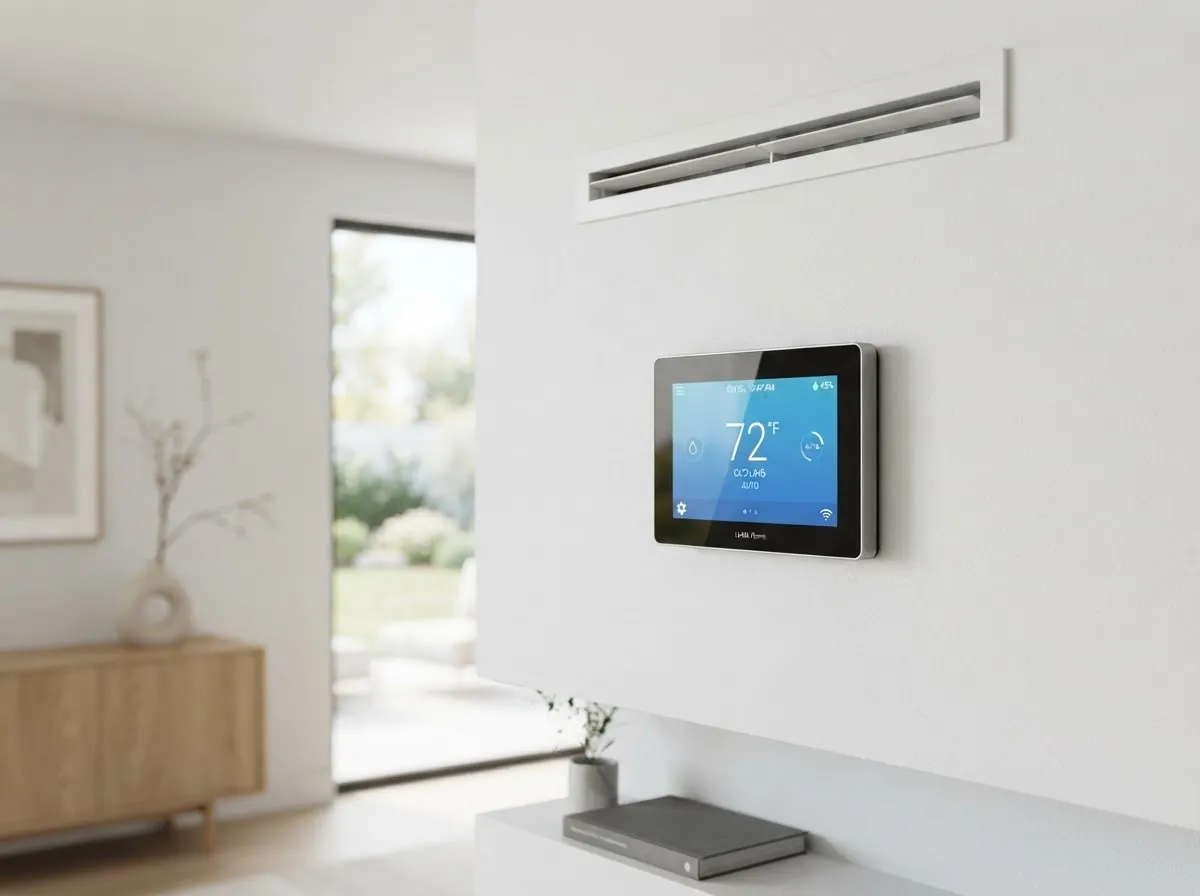
For homes with climate control tied into the same system, our centralised climate control page covers how we integrate heating and cooling with the energy management logic.
Using Your Own Solar First
The most efficient use of solar is to consume it as it is generated. Sending it to the grid and buying it back later means paying for the round trip through feed-in tariffs and import rates, which rarely favour the homeowner. The automation layer can prioritise running heavy loads, like hot water systems, pool pumps or dishwashers, when the solar is generating.
This is not about sitting and watching the solar inverter. It is about the house deciding, based on how much power is being generated and what needs to run, when to start a heavy load and when to wait. If the solar is generating strongly at midday, the hot water system tops up. If it is overcast, it waits. The energy that would have been exported for a low feed-in tariff is instead used directly, which is worth more than the export payment.
Battery Storage and Backup Power
A battery stores the solar you generate during the day for use in the evening, when the solar has stopped but the house still needs power. Without a battery, the surplus goes to the grid. With one, it stays in the house. The battery also provides backup power during an outage, keeping essential circuits running when the grid is down.
The essential circuits are the ones you designate. Lighting, refrigeration, security, networking, and maybe a circuit for the well pump or medical equipment. When the grid drops, the battery takes over those circuits automatically. The rest of the house goes dark, which is not ideal but which keeps the important things running for as long as the stored energy lasts.
How long the backup lasts depends on the battery capacity and what is connected. A larger battery and fewer essential loads means more hours of backup. We size the system to your needs rather than oversizing, because a battery that is too large for the house is unused capacity that costs money to sit idle.
Monitoring What You Use
You cannot manage what you cannot see. An energy management system gives you visibility into how much power the house is using, what is generating, what is charging the battery, and what is drawing from the grid. That information is what lets the automation make sensible decisions, and it lets you understand your own usage.
The monitoring can be as simple as a dashboard on a wall touchscreen or an app on your phone. The point is that the information is there when you want it, so you can see the effect of decisions like running the air conditioning all afternoon versus easing the setpoint up by a degree.
Efficient Electrical Design from the Start
Energy management is easier when the electrical design is efficient to begin with. That means specifying efficient fittings, circuit layouts that group loads sensibly, and controls that match how the house is used. We are accredited as Ecosmart Electricians, which means we design electrical layouts with energy efficiency built in.
That is not about sacrificing comfort. It is about specifying the right fittings, controls and automation so the system wastes less without you having to think about it. LED lighting throughout, sensors that turn lights off in empty rooms, climate control that does not heat empty rooms, and standby loads managed rather than left to run. The savings come from design, not from you remembering to switch things off.
If you are building in Caulfield or renovating in Malvern, the electrical design stage is where the long-term energy performance of the house is set. Getting the layout and the fittings right then is cheaper than retrofitting efficiency later.
How the Systems Cooperate
The solar, the battery, the automation and the electrical design all need to work together. A solar system without a battery exports surplus and buys it back. A battery without automation stores power but does not decide when to use it. Automation without energy visibility makes decisions in the dark. The combination is what delivers the result.
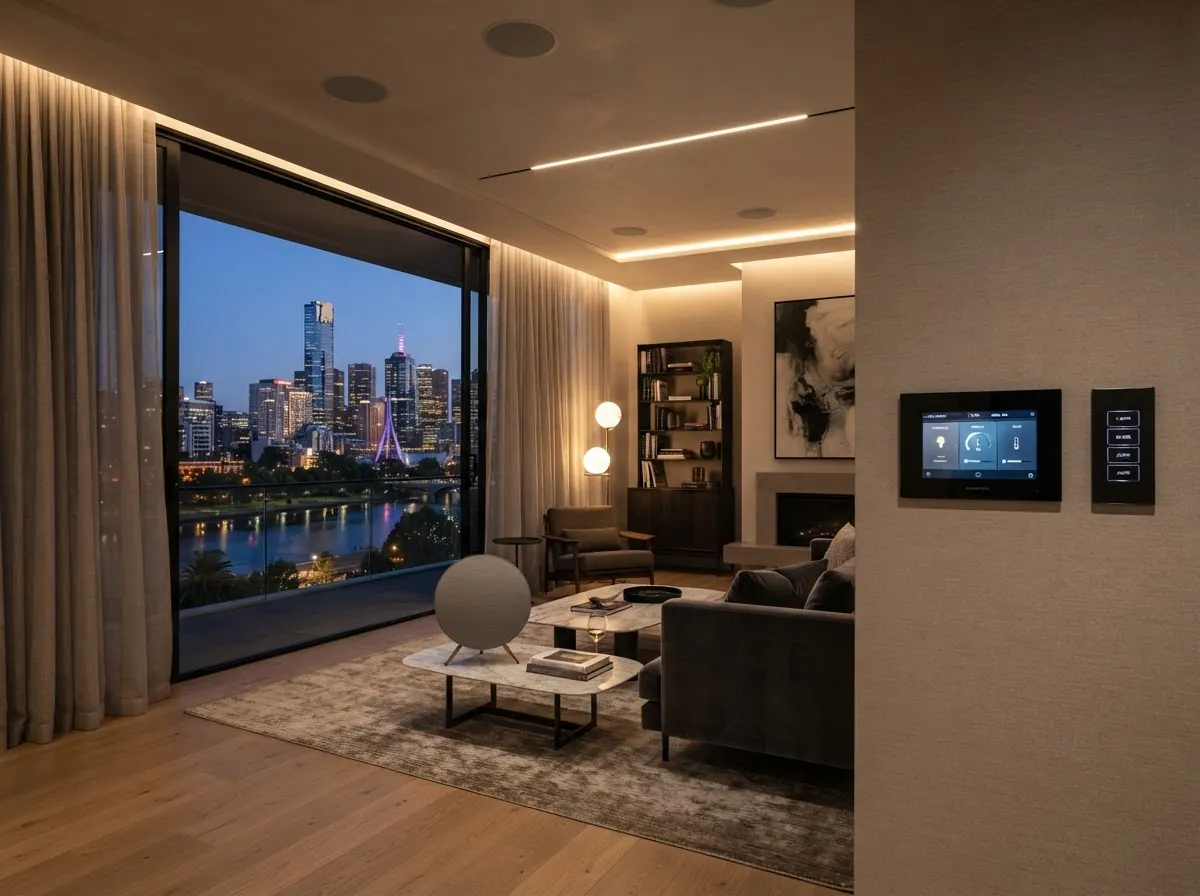
Control4 and Dynalite provide the control layer. The solar inverter and battery provide the generation and storage. The monitoring provides the visibility. Our job is to connect them so the house uses energy sensibly without you managing it manually. The system does the thinking. You see the benefit in lower bills and a house that keeps running when the grid does not.