HVAC Integration
Connecting HVAC, Hydronic Heating and Control4
How CoolMaster gateways let Control4 control Daikin and Mitsubishi split systems, hydronic heating and gas fireplaces from one thermostat.
June 19, 2026Read article
0485 059 253
info@responseelectrical.com.au
Mon - Fri: 7:00 AM - 4:00 PM
Sat - Sun: Closed
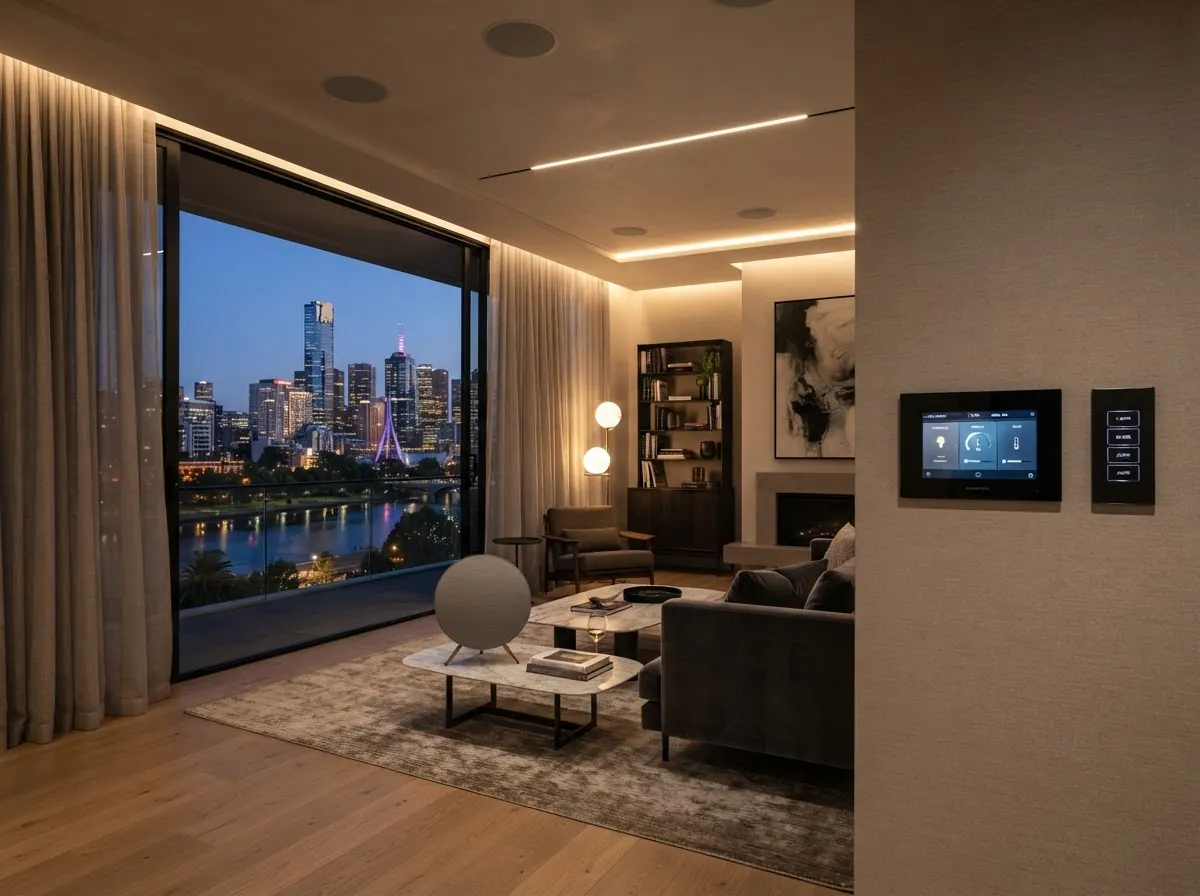
If you are building or renovating in Toorak, Kew or Aberfeldie, you will likely hear three names come up: CBus, Dynalite and Control4. They do different things and they work well together, but the differences matter when you are deciding where to spend.
Home automation Melbourne projects usually start with one question: which platform do we build around? The answer depends on what you want to control, how your house is wired, and how much you want to manage from a single app. CBus, Dynalite and Control4 overlap in some areas and differ sharply in others, so getting this right early saves rewiring and reprogramming later.
The three systems are not competing for exactly the same job. CBus and Dynalite handle lighting and dimming. Control4 ties the whole house together. In a well-designed install, they run side by side and talk to each other. The mistake people make is picking one platform to do everything when it is built to do one thing well.
Clipsal CBus is a hardwired lighting control system that runs on its own two-wire bus network, separate from your Wi-Fi. That independence is the point. When your network drops out, your lighting scenes, dimming and blind control keep working. The system does not depend on an internet connection or a stable wireless signal to turn a light on.
CBus suits homes where lighting is the backbone of the automation plan. If you want keypads that recall scenes like Welcome, Entertain and All Off across a whole floor, CBus handles that without relying on a phone app. The keypads are hardwired, so they respond instantly and keep working through a network outage.
We have been installing CBus across Melbourne for years and it remains the reliable backbone for lighting control in premium homes. It pairs well with a whole-home controller like Control4, which can issue commands to CBus over a network connection so your lighting responds to schedules, sensors and other systems.
Philips Dynalite uses the DALI protocol for fine-grained LED dimming. The dimming curves are smooth and the system handles colour temperature tuning well, which matters in architectural lighting where you want precise control over mood and ambience. It scales from a single room up to a whole-home fit-out.
Where CBus is strong on whole-floor scenes and keypad control, Dynalite is strong on the quality of the dim itself. If you have spent on architectural light fittings and you want them dimmed without stepping or flickering at low levels, DALI dimming is a good fit. You can read more about how we approach this on our lighting automation service page.
Dynalite also supports tunable white lighting, where the colour temperature shifts through the day. Brighter, cooler light in the morning and warmer light in the evening, gradually and automatically. You do not think about it, which is the goal.
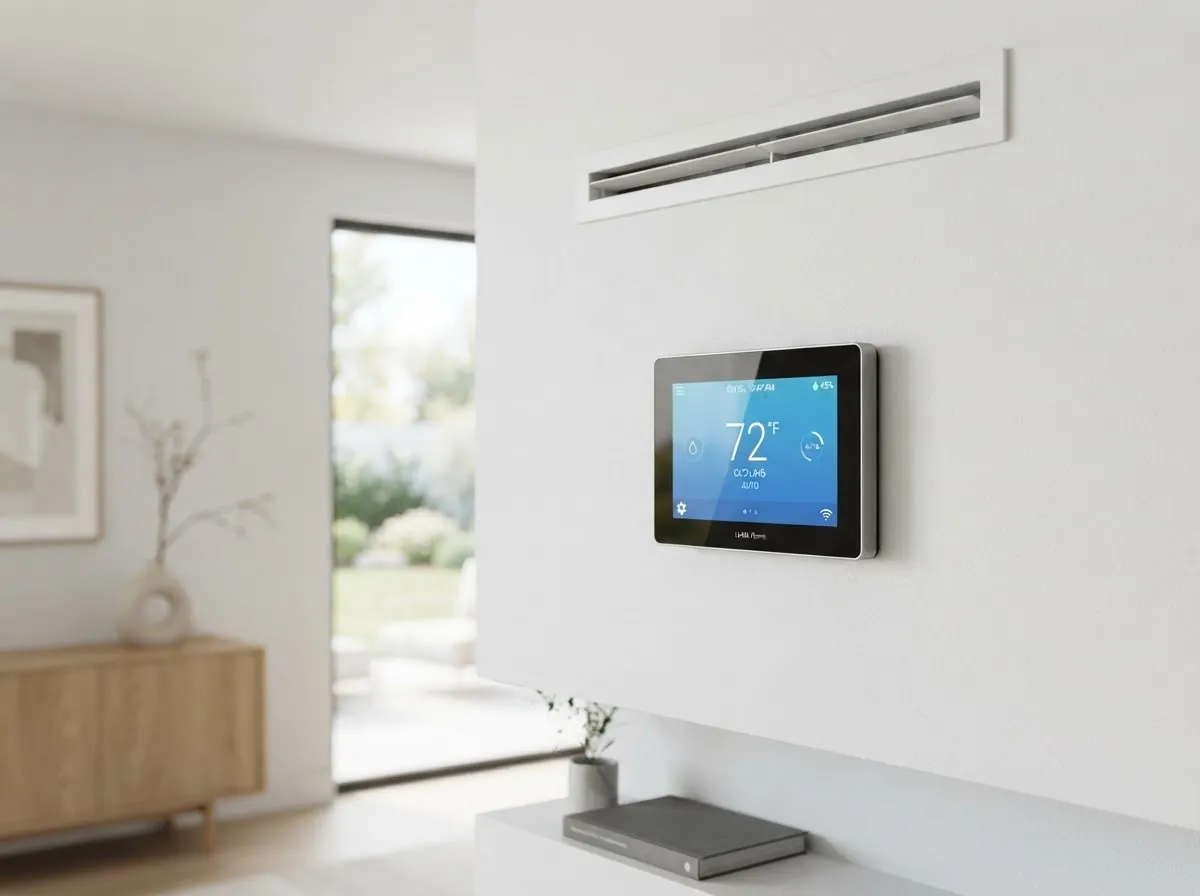
CBus and Dynalite handle the lighting. Control4 sits on top and ties everything else together: audio and video distribution, HVAC climate control, pool pumps, security alarms and touchscreen interfaces. One app, one remote, one system. As a Control4 Authorised Dealer we design and program the integration so your lighting, climate, audio and security respond together rather than living in separate apps.
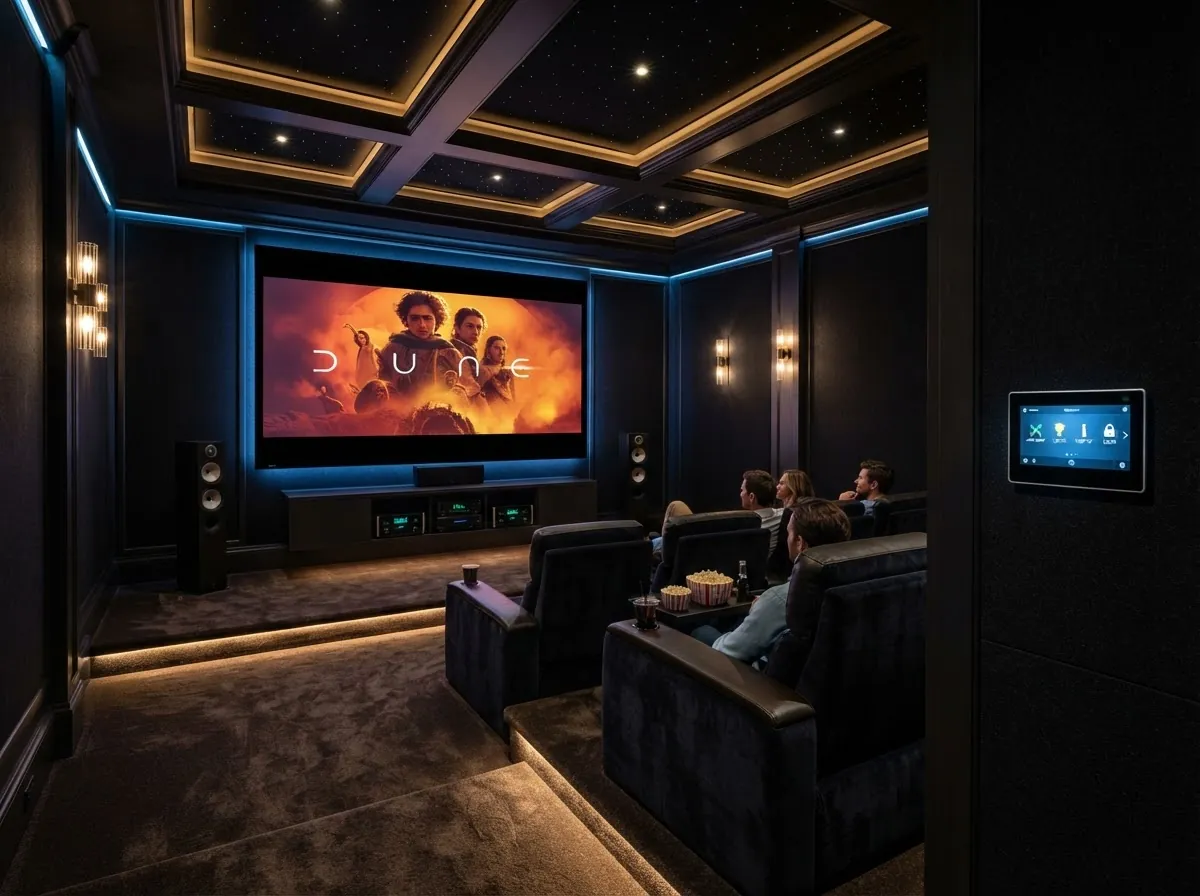
This is where home automation Melbourne projects either come together or fall apart. A Control4 system can issue commands to CBus and Dynalite, so a single press of Movie Night can dim the architectural lights, close the blinds, set the receiver to the right input and start the projector. Without a controller layer, you have three lighting apps and no way to coordinate them with the rest of the house.
The right combination depends on what you are trying to achieve. If lighting is the priority and you want it to work without relying on a network, CBus or Dynalite is your backbone. If you want lighting, climate, audio and security to respond together from one interface, Control4 is the layer that makes that happen. Most of our projects use both.
The other factor is timing. Lighting control needs to be planned before the plaster goes on, because the cabling runs inside the walls. Control4 can be added later in some cases, but planning for it early means fewer compromises and a cleaner install. If you are renovating in Toorak or building new in Hawthorn, bring the automation plan in before the electrical rough-in.
One of the most common issues we see is a home wired for banks of individual switches, then a request to add automation after the walls are closed. Retrofitting is possible but it is more expensive and the result is less elegant. Planning keypad locations and circuit groupings early means a single engraved keypad can replace five plastic switches.
Think about where you actually stand when you enter a room or leave it. Keypads work best at entry points and beside beds. Sensors suit hallways and landings. If you plan these before the electrician starts, the finished job looks deliberate rather than patched together.
You do not have to pick one platform and rule out the others. In most of the homes we work on, the answer is a hardwired lighting backbone plus a Control4 controller. The platforms are designed to work that way. The decision is really about how much you want to control now and how much you want to leave open for later.
The most common mistake is choosing a platform based on a single feature and ignoring how it fits the rest of the house. A lighting system that cannot talk to your climate control means two apps and two sets of schedules that can disagree with each other. A controller without a proper lighting backbone means your lights depend on a network that will, at some point, go down.
Another is waiting too long to involve an automation specialist. By the time the plaster is on, most of the decisions that shape the system have been made. The earlier we are involved, the cleaner the result and the less rework is needed.
The right setup depends on your home, your budget and what you want to control. Call us on 0485 059 253 and we will walk you through which combination suits your property, or visit our contact page to book a consultation.
Our team of licensed Class A contractors is available to discuss your home automation or smart-home electrical project.