Most large homes in Melbourne end up with several climate systems running at once. A ducted split system for cooling, hydronic slab heating for winter, maybe a gas fireplace in the living room. Left to their own controllers, these systems can work against each other. The air conditioning kicks in while the slab is still warm. The fireplace runs while the ducted heating is trying to hold a setpoint. Integrating them through Control4 gives you one thermostat and one set of rules.
Why Separate Climate Systems Cause Problems
When each system has its own thermostat and its own schedule, they do not know what the others are doing. Hydronic slab heating has a slow thermal response. It takes time to warm up and it keeps radiating heat after it switches off. If the air conditioning is on a simple timer, it can start cooling a room that the slab is still heating, wasting energy and making the room uncomfortable.
A controller like Control4 can see what every system is doing and coordinate them. Instead of three separate apps and three separate schedules, you get one interface and logic that understands the thermal lag of a slab and the faster response of ducted air.
How Control4 Talks to Split Systems
Daikin, Mitsubishi and Fujitsu split systems talk to Control4 through CoolMaster gateway modules. The gateway sits between the air conditioning unit and the Control4 network, translating commands in both directions. That gives you bi-directional temperature feedback and scheduling, so each room can have its own setpoint and the system reports back what it is actually doing rather than just what you asked it to do.
This matters because it turns the split system from a standalone unit into a device your whole-home controller can manage. A schedule can cool the living areas during the afternoon sun and back off at night. A sensor can trigger cooling when a room reaches a set temperature. The split system becomes part of the house rather than a remote control on the wall.
If you are planning a full climate setup, our centralised climate control service covers how we design and program these integrations across a home.
Coordinating Hydronic Floor Heating
Hydronic slab heating has a slow thermal response compared to ducted air. If you set a thermostat and walk away, the slab overshoots. The floor keeps warming after the boiler stops, because the water in the pipes is still hot and the concrete is still releasing that heat. By the time the thermostat catches up, the room is too warm and the cooling has to work harder to pull it back.
We program automation logic that accounts for the lag. The heating ramps down before the target temperature is reached, so the slab does not overshoot. The air conditioning does not kick in while the floor is still warm. The result is a steady temperature rather than the swing between too hot and too cold that you get with uncoordinated systems.
This kind of logic is what separates an integrated system from a collection of smart thermostats. Each one on its own is fine. Together, without coordination, they waste energy and fight each other. You can read more about how we approach heating and cooling on our smart heating and cooling service page.
Adding Gas Fireplaces to the Mix
A gas fireplace can be integrated into the same Control4 system. Rather than a separate remote or a manual switch, the fireplace becomes part of a scene. Pressing Cosy on a keypad can set the heating to a comfortable level, dim the lights and turn the fireplace on. The fireplace is not running on its own timer. It responds to how you actually use the room.
The benefit is not the fireplace itself. It is that the fireplace, the heating and the lighting all respond to one command. That is the difference between a house with smart devices and a house that is smart.
Designing the Logic Before You Build
The integration logic should be designed before the systems are installed, not programmed afterwards. Knowing which rooms get hydronic and which get ducted, where the sensors go, and how the schedules interact is easier to plan on paper than to fix once the slab is poured and the splits are mounted.
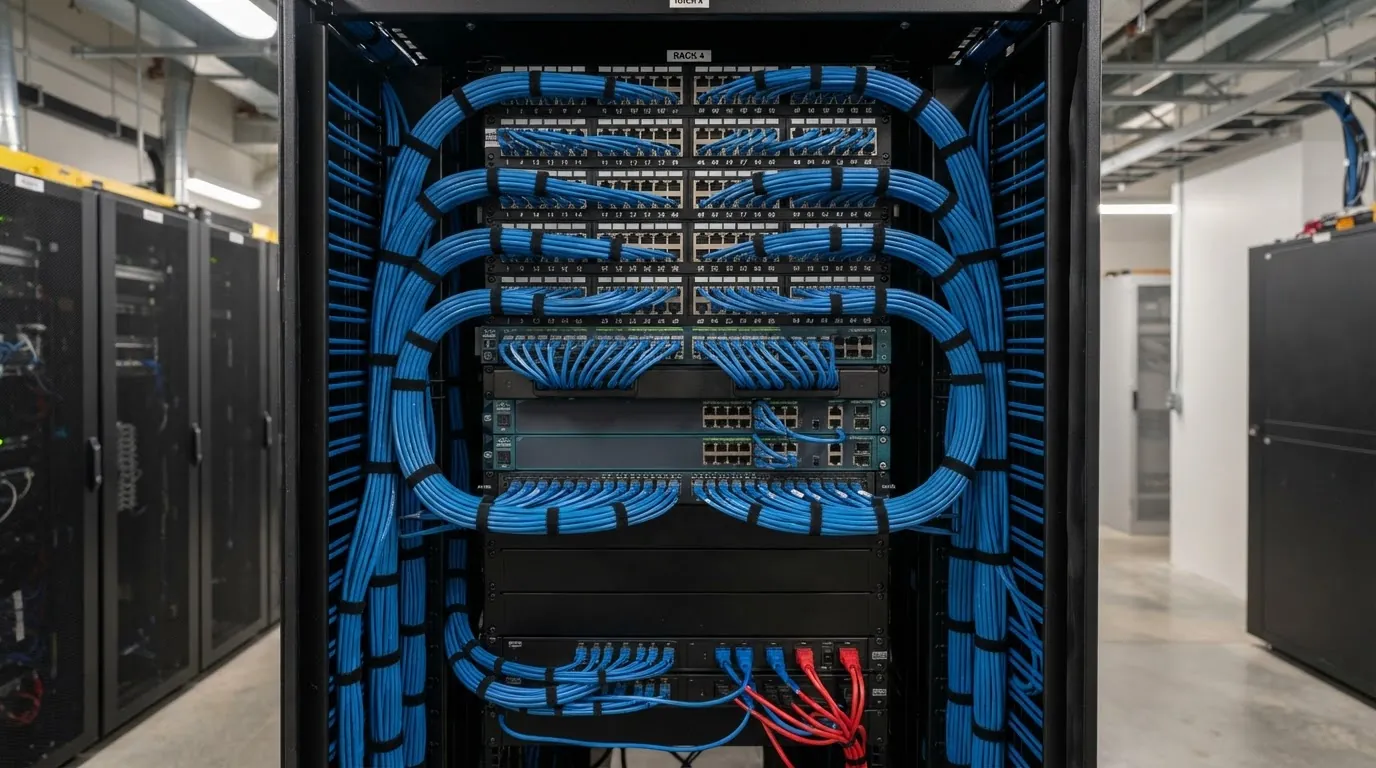
If you are building in Toorak or renovating in Hawthorn, involve the automation installer during the planning stage. The cabling for gateways and sensors runs inside the walls, and the placement of those sensors affects how well the logic works. Getting it right early means the system behaves the way you expect on the first hot day and the first cold night.
What You Actually Notice Day to Day
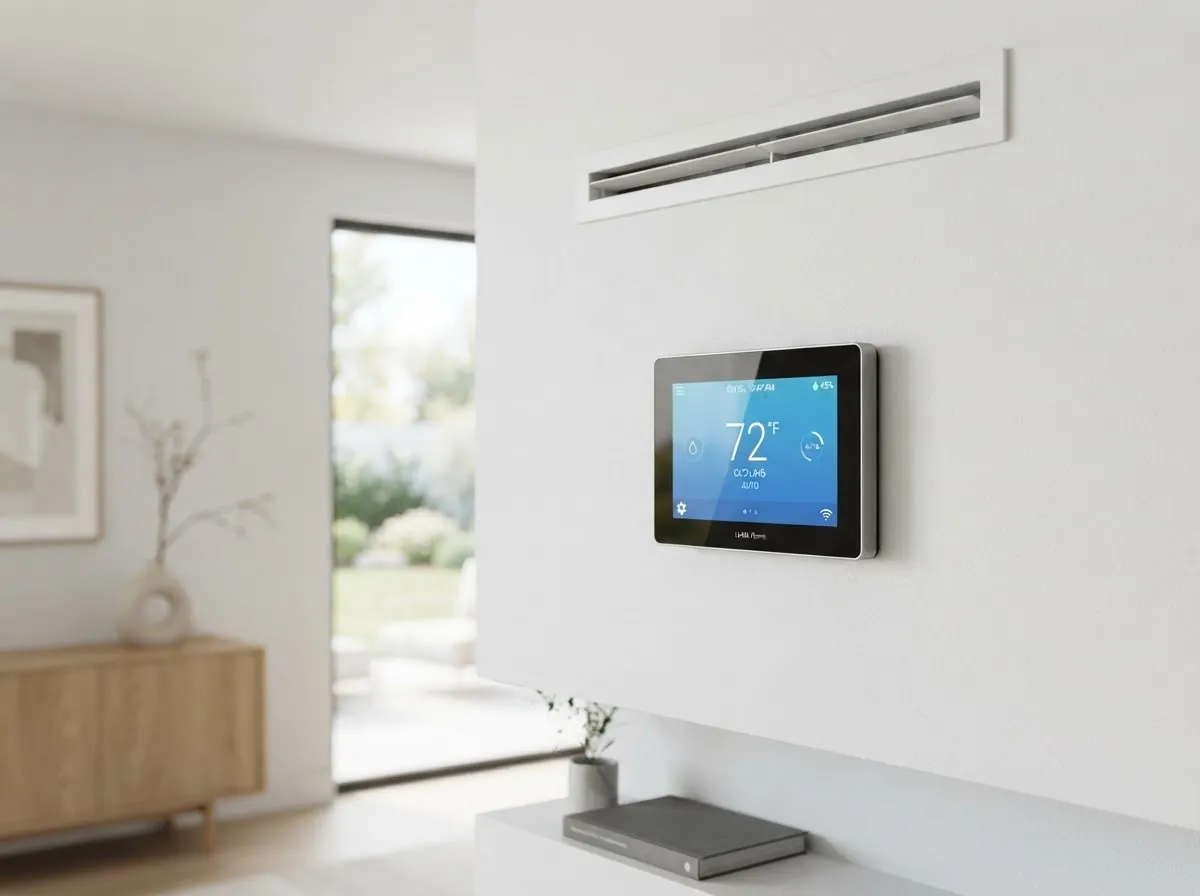
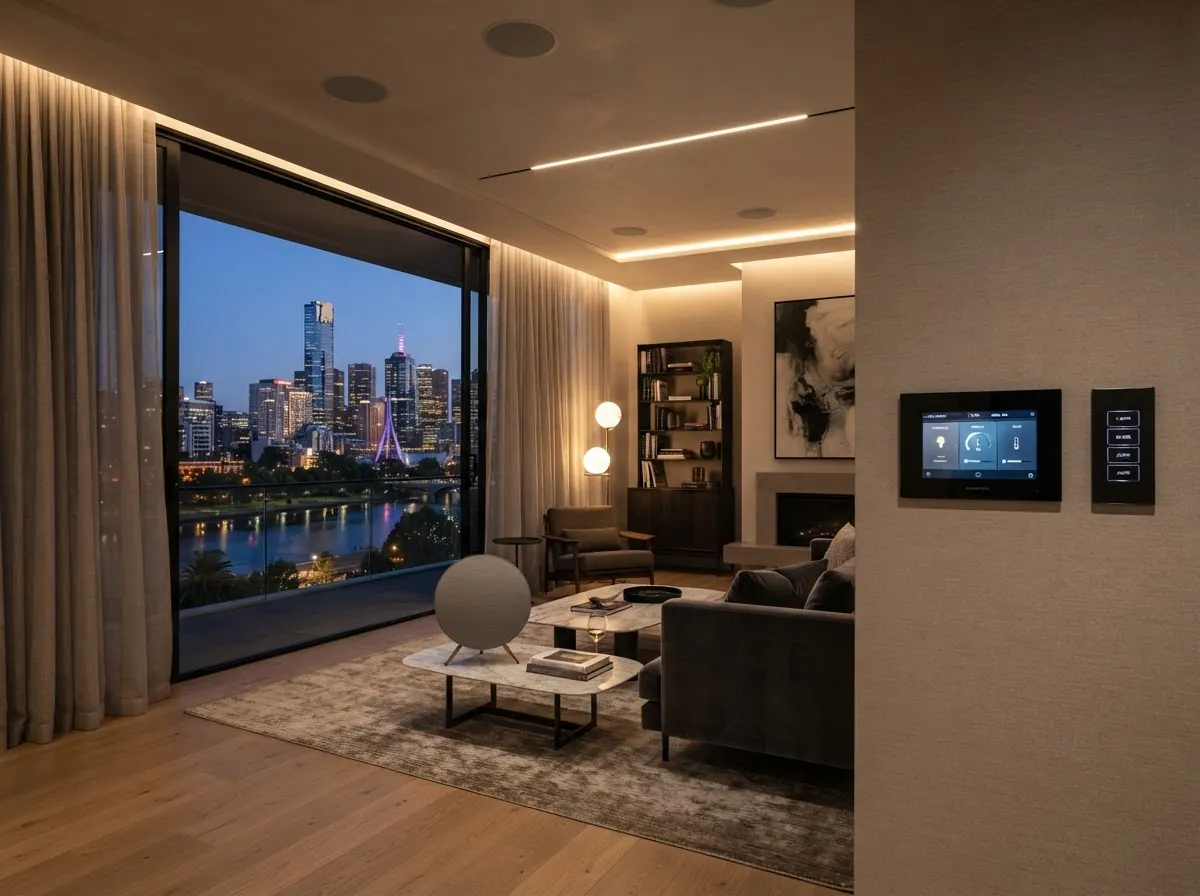
The point of HVAC integration is not the technology. It is what you notice. The house stays at a steady temperature without you adjusting anything. The cooling does not fight the heating. You have one place to look, whether that is a wall touchscreen or your phone, to see what every system is doing. The wall of separate remotes and thermostats is gone.
It also means the systems are more efficient, because they are not working against each other. But the real difference is comfort and simplicity. You stop thinking about the climate systems and just live in the house.